

Online, Texas DPS Approved, License to Carry (LTC/CHL) class

LTC (License To Carry), formerly CHL (Concealed Handgun License), is the concealed and open carry permit for the Lone Star State. The Texas Department of Public Safety currently requires a minimum of 4 to 6 hours not including range time. You can take the LTC class at your own pace, from the comfort of your own home - or wherever you have time to attend.

 Learn More about the online License to Carry class. Enroll in an online License to Carry class Today!

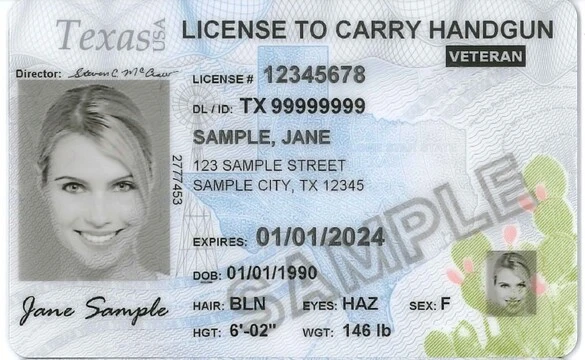
Hand holding Texas License to Carry Handgun

Our firearms training service is designed to help you achieve success in obtaining your Texas LTC. We offer a variety of training options, including classroom instruction, hands-on shooting range practice, and personalized coaching to help you improve your skills. Our curriculum covers all aspects of firearms training, including gun safety, handling, and proficiency, as well as concealed carry laws and regulations in Texas. With our expert instructors and comprehensive curriculum, you can be confident that you'll receive the training you need to pass the Texas LTC proficiency test and legally carry a concealed handgun. Sign up for our firearms training service today to take the first step towards obtaining your Texas License to Carry.

Carry Texas logo

What disqualifies you from a LTC in Texas?

When it comes to obtaining a License to Carry (LTC) in the state of Texas, there are certain criteria that must be met in order to be eligible. Additionally, there are also specific disqualifiers that will prevent an individual from being able to legally carry a handgun. In this article, we will explore what disqualifies you from a LTC in Texas.

Criminal history

One of the most common reasons for disqualification from a LTC in Texas is a criminal history. In order to be eligible for a LTC, you must have a clean criminal record and be in compliance with the law. This includes having no convictions for any crimes that would prohibit you from possessing a firearm under federal law.

For example, individuals who have been convicted of a felony, domestic violence, or who have a restraining order against them are all prohibited from obtaining a LTC. Additionally, individuals who have been convicted of certain Class A or Class B misdemeanors, such as assault or stalking, may also be disqualified.

Mental health

Another factor that can disqualify you from a LTC in Texas is mental health. Individuals who have been diagnosed with a mental illness or have a history of mental health issues may be disqualified from obtaining a LTC. This includes those who have been diagnosed with a serious mental illness, such as schizophrenia, or who have been committed to a mental health facility.

Additionally, individuals who have been diagnosed with a mental illness or who have a history of mental health issues may also be disqualified if they pose a danger to themselves or others. In these cases, the Texas Department of Public Safety will carefully evaluate the individual's mental health history and determine whether or not they are eligible for a LTC.

Age and residency

In order to be eligible for a LTC in Texas, you must be at least 18 years of age and a resident of the state. Additionally, you must also be a U.S. citizen or a legal resident of the United States.

Substance abuse

Another factor that can disqualify you from a LTC in Texas is substance abuse. Individuals who have a history of substance abuse, including the use of illegal drugs or excessive alcohol consumption, may be disqualified from obtaining a LTC.

In these cases, the Texas Department of Public Safety will carefully evaluate the individual's substance abuse history and determine whether or not they are eligible for a LTC. In some cases, individuals may be required to undergo treatment and demonstrate a period of sobriety before they are considered eligible for a LTC.

Other disqualifiers

In addition to the above disqualifiers, there are also other factors that can prevent you from obtaining a LTC in Texas. For example, individuals who are delinquent on their taxes, owe child support, or have a history of non-payment of debts may also be disqualified.

Additionally, individuals who have been dishonorably discharged from the military, who are the subject of a protective order, or who are under indictment for a criminal offense may also be disqualified from obtaining a LTC.

Final thoughts

In conclusion, if you are seeking a License to Carry (LTC) in Texas, it is important to be aware of the eligibility criteria and disqualifiers. By understanding what disqualifies you from a LTC in Texas, you can take the necessary steps to ensure that you are in compliance with the law and are able to legally carry a handgun.
  • Frequently Asked Questions:

    What is one of the most common reasons for disqualification from a Texas LTC?

    Having a criminal history, including convictions for felonies, domestic violence, or certain misdemeanors, can disqualify an individual from obtaining a LTC.

    Are individuals with a history of mental health issues eligible for a Texas LTC?

    Individuals with a diagnosed mental illness or a history of mental health issues may be disqualified from obtaining a Texas LTC, particularly if they pose a danger to themselves or others.

    What are the age and residency requirements for a Texas LTC?

    To be eligible for a Texas LTC, individuals must be at least 18 years old, a resident of the state, and either a U.S. citizen or a legal resident of the United States.

    Can a history of substance abuse disqualify someone from a Texas LTC?

    Yes, individuals with a history of substance abuse, including illegal drug use or excessive alcohol consumption, may be disqualified from obtaining a Texas LTC.

    Are there any other factors that can disqualify someone from a Texas LTC?

    Yes, other disqualifiers can include being delinquent on taxes, owing child support, having a dishonorable military discharge, being the subject of a protective order, or being under indictment for a criminal offense.

    How does the Texas Department of Public Safety evaluate mental health and substance abuse history?

    The Texas Department of Public Safety carefully evaluates an individual's mental health and substance abuse history to determine their eligibility for a LTC, considering factors such as diagnosis, treatment, and periods of sobriety.

    Can individuals with non-payment of debts be disqualified from a Texas LTC?

    Yes, individuals with a history of non-payment of debts, such as child support or other financial obligations, may be disqualified from obtaining a Texas LTC.

    What is the role of criminal convictions in disqualifying someone from a Texas LTC?

    Certain criminal convictions, including felonies and specific misdemeanors such as assault or stalking, can disqualify an individual from obtaining a Texas LTC.

    Can individuals with protective orders against them obtain a Texas LTC?

    Individuals who are the subject of a protective order may be disqualified from obtaining a Texas LTC.

    Why is it important to be aware of disqualifiers for a Texas LTC?

    Understanding the disqualifiers for a Texas LTC helps individuals ensure they meet the eligibility criteria and comply with the law, allowing them to legally carry a handgun in the state.

Frequently Asked Questions

We are dedicated to providing you with a comprehensive and engaging License to Carry course, designed to help you feel confident, knowledgeable, and prepared for responsible concealed carry. Please take a moment to review our frequently asked questions below, which address many common concerns and inquiries about the carry license. Remember, we are here to support you every step of the way on your journey towards a safe and secure licensed carry.

Question: What are the eligibility requirements for a Texas License to Carry (LTC)?
Answer: You must be at least 18 years old, have a clean criminal record, and meet state and federal qualifications to purchase a handgun. A full list of eligibility requirements can be found on the Texas Department of Public Safety website.
Question: How long is the online License to Carry course?
Answer: The online LTC course takes approximately 4-6 hours to complete, depending on your pace. You can complete the course at your convenience and in multiple sessions if needed.
Question: Is the online LTC course approved by the Texas Department of Public Safety?
Answer: Yes, our online LTC course is approved by the Texas Department of Public Safety and meets all state requirements for obtaining a License to Carry.
Question: What topics are covered in the online License to Carry course?
Answer: The course covers topics such as gun safety, Texas laws related to the use of force, non-violent dispute resolution, proper storage practices, and handgun use and proficiency.
Question: Do I need to pass a shooting proficiency test to obtain my License to Carry?
Answer: Yes, in addition to the online course, you are required to pass a shooting proficiency test with a certified LTC instructor. This involves demonstrating safe gun handling and shooting skills on a live-fire range.
Question: How do I schedule the shooting proficiency test?
Answer: After completing the online course, you will be provided with a list of certified LTC instructors in your area. Contact an instructor to schedule the shooting proficiency test.
Question: What is the cost of the online License to Carry course?
Answer: Our online LTC course is priced competitively, and you can find the current pricing on our course pages. Please note that this cost does not include the shooting proficiency test, which is paid separately to the certified LTC instructor.
Question: How long is the License to Carry valid in Texas?
Answer: A Texas License to Carry is valid for 5 years. You'll need to renew your license before it expires, and a renewal notice will be sent to you by the Texas Department of Public Safety.
Question: Is the Texas License to Carry recognized in other states?
Answer: Yes, the Texas LTC is recognized by many other states through reciprocity agreements. However, it's important to verify the specific laws and regulations in each state before carrying a firearm.
Question: Can I apply for a Texas License to Carry if I am not a Texas resident?
Answer: Yes, non-Texas residents can apply for a Texas Non-Resident License to Carry by completing our online course and the required shooting proficiency test with a certified LTC instructor.
Copyright © 2026 Carry Texas. All Rights Reserved.

Main Menu