Welcome to the Lone Star State, a place where gun culture is deeply rooted and the right to bear arms is fiercely protected under the Second Amendment. If you plan on traveling to Texas with firearms, navigating the state's regulations can feel like a challenge. However, with the right knowledge, you can ensure a safe and legal journey. This guide focuses on Texas Constitutional Carry, a landmark policy that shapes how you can carry a handgun, alongside key aspects of Texas gun laws. Whether you're a resident or an out-of-state visitor, we're here to help you understand the rules and responsibilities of being a responsible gun owner in Texas.
What Is Texas Constitutional Carry?
At the heart of modern Texas gun laws is House Bill 1927, commonly known as Texas Constitutional Carry. Enacted on September 1, 2021, this law allows most individuals aged 21 and older to carry a handgun without a permit, either openly or concealed, provided they are not prohibited from possessing a firearm under federal law or state law. This means you can carry in many public spaces without the need for a License to Carry (LTC), a significant shift in policy. However, as noted by Red Dirt Shooting Sports, this isn't a free pass. Restrictions still apply, such as felony convictions or specific mental health prohibitions under Tex. Penal Code and 18 U.S.C. § 922(g). As a traveler, this law offers flexibility, but understanding its limits is crucial for compliance.
Benefits of Obtaining a License to Carry (LTC) in Texas
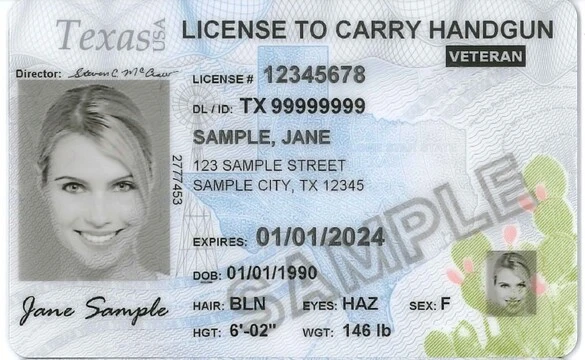
While Texas Constitutional Carry allows permitless carry, securing a License to Carry (LTC) can provide significant advantages, especially for those traveling across state lines. An LTC offers license reciprocity with many other states, meaning your Texas permit may be recognized elsewhere, a benefit not extended to permitless carry. According to USCCA, Texas has reciprocity agreements with numerous states, making an LTC a valuable asset for interstate travel. Additionally, an LTC can simplify interactions with law enforcement and provide clarity in areas with complex signage or restrictions. For visitors to Texas, considering an LTC could enhance your confidence and legal standing while carrying a firearm.
Transporting Firearms in Vehicles and Watercraft in Texas
Traveling through Texas often involves long drives or time on watercraft, and knowing how to transport your firearms is essential. Under Texas gun laws, you can carry a handgun in a vehicle without an LTC if you're 21 or older and legally eligible to possess a firearm. However, it must be concealed or in a holster, not in plain sight, unless you hold an LTC. Long guns like rifles and shotguns face fewer restrictions, as highlighted by Texas Gun Club. Ammunition can be stored alongside your firearm without issue. Be mindful, though, that criminal activity or membership in a criminal street gang can disqualify you from carrying, per state regulations. Whether on the road or on the water, secure storage in a vehicle or watercraft is a key part of gun safety.
Flying with Firearms to and from Texas
If your journey to the Lone Star State involves air travel, federal and airline rules take precedence when flying with firearms. You must declare your firearm at the airline ticket counter, ensuring it’s not in carry-on luggage but in checked baggage within a locked hard-sided container. The Transportation Security Administration (TSA) guidelines, referenced by Texas State Law Library, stress that firearms must be unloaded during transport. Secured areas of airports are strictly gun-free zones, even for permit holders. Planning ahead and following these protocols ensures you can bring your firearm to Texas without legal hiccups, maintaining compliance with both federal law and airline policies.
Open Carry Rules for Handguns, Rifles, and Shotguns
Texas embraces open carry for those who are legally allowed to possess firearms. If you're 18 or older, you can openly carry a rifle or shotgun without a permit, though displaying them in a manner that causes alarm can lead to issues. For handguns, open carry is permitted under Texas Constitutional Carry for those 21 and older, but the firearm must be in a holster. As Red Dirt Shooting Sports explains, this rule applies whether you're a resident or an out-of-state visitor. However, certain locations like schools, polling places, courts, and racetracks remain off-limits. Familiarizing yourself with these nuances ensures you exercise your rights responsibly while exploring Texas.
Navigating Gun-Free Zones and Restricted Areas in Texas
Even with the freedoms granted by Texas gun laws, there are specific gun-free zones you must respect. Locations such as schools, polling places, courts, racetracks, and secured areas of airports prohibit firearms, regardless of whether you have an LTC or are carrying under permitless rules. Additionally, businesses can post signage under Tex. Penal Code sections like 30.05, 30.06, and 30.07 to restrict carry on their property, a point emphasized by USCCA. As a traveler, always check for signage and be aware of federal restrictions enforced by the ATF in certain areas. Respecting these boundaries is a hallmark of a responsible gun owner and keeps you on the right side of the law.
Special Considerations for Out-of-State Visitors to Texas
For out-of-state visitors, Texas offers a welcoming yet regulated environment for carrying firearms. Thanks to Texas Constitutional Carry, you can carry a handgun without an LTC if you're 21 or older and not prohibited by federal law or state law from possessing a firearm. Non-residents can also carry in vehicles or watercraft if the firearm is concealed, as long as they aren't involved in criminal activity or part of a criminal street gang. Texas Gun Club notes that Texas has reciprocity agreements with many states, so check if your home state’s permit is recognized via the Texas Department of Public Safety website. Staying informed about these rules ensures a smooth visit to Texas with your firearm.
Travel Safely and Legally in Texas with Your Firearm
Bringing a firearm to Texas can be straightforward if you take the time to understand Texas Constitutional Carry and the broader framework of Texas gun laws. From carrying in vehicles to navigating airports and respecting gun-free zones, each step requires attention to detail and a commitment to gun safety. Whether you choose to carry permitless or pursue an LTC for added benefits like license reciprocity, being a responsible gun owner means knowing the rules set by the Texas Department of Public Safety and federal law. We're confident that with this guide, you can travel through the Lone Star State with your firearm, respecting local regulations while exercising your rights under the Second Amendment. Safe travels, and enjoy your time in Texas!